




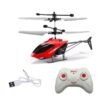
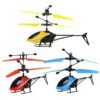
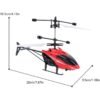
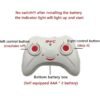
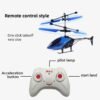
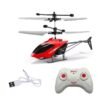

Description
📡 1. Channels (2-ch, 3-ch, 4-ch…)
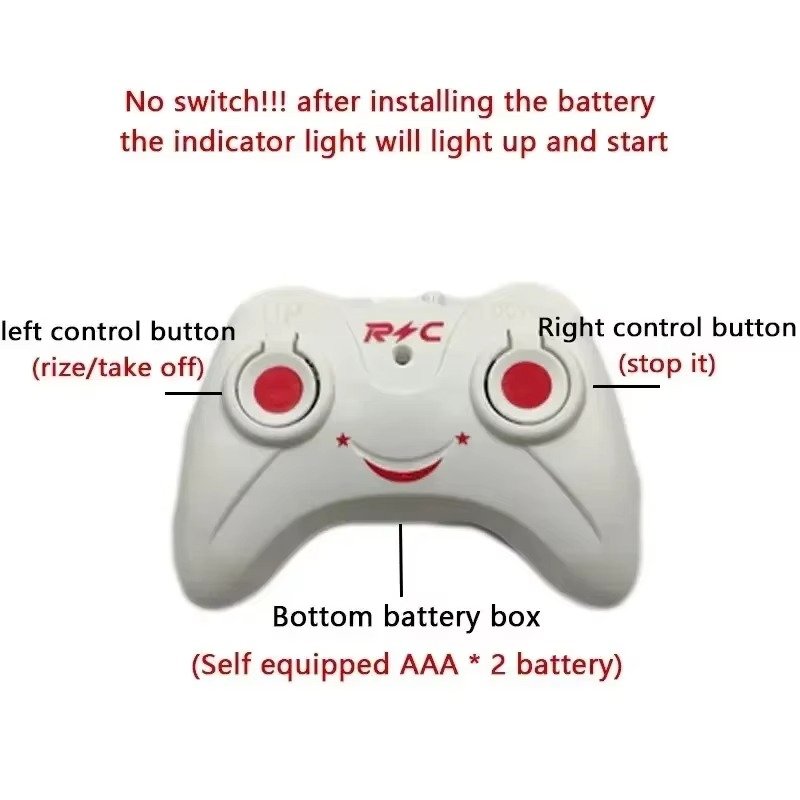
🔢 = Number of controls (like up/down, turn, forward/back)
| Channel | Controls | Ideal For |
|---|---|---|
| 2‑Channel 🎮 | Up/Down + Left/Right | Younger kids (ages 4–7) 👶👦 |
| 3‑Channel 🔄 | Adds Forward/Backward | Ages 6–10 👧🧒 |
| 4–6 Channel 💫 | Full 3D control (flip, hover) | Older kids & teens (8–14+) 👨🎓 |
✅ More channels = more control
⚠️ But also more complexity — start simple!
🌀 2. Gyroscope (Gyro Stabilization)
🧭 A tiny sensor that helps keep the helicopter or plane stable in the air.
💡 Helps prevent spinning, drifting, or crashing.
✅ Must-have for beginners
🎯 Look for “Heading Hold Gyro” = better flight control
🔧 3. Motor Type & Rotor System
⚙️ Most RC toys use electric motors:
-
Brushed Motor: Cheaper, but wears out faster 🔋
-
Brushless Motor: Stronger & lasts longer 💨
-
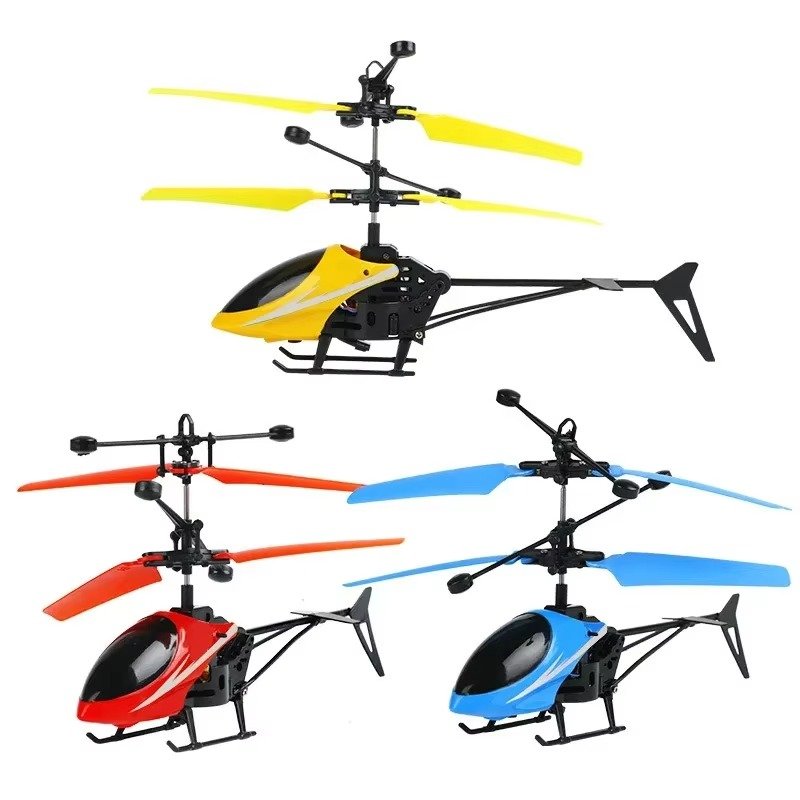
Coaxial Blades: Two rotors spinning opposite = SUPER STABLE 🚁
📶 4. Control Frequency (Remote Signal)
📡 This is how the toy talks to the remote:
| Frequency | Range & Quality | Notes |
|---|---|---|
| 27 MHz / 40 MHz 📻 | Low range, easy interference | Older toys |
| 2.4 GHz 📶 | Strong signal, long range | ✅ Modern & reliable! |
| Infrared (IR) 🔦 | Cheap but can lose signal in sunlight | Only for indoors |



Reviews
There are no reviews yet.